EARTHQUEST (Canada) for the Environment
La Suerte Biological Field Station

Field biology projects, learn how to be an rainforest ecologist, Biology, research and conservation, Field training and employment opportunities

navbar

Testimonials

Frequently Asked Questions

History

FBT Courses

Primate FBT Courses

Medicinal plant FBT Courses

FBT Courses in management/leadership

Nicaragua Ecology and Behaviour of primates courses

FBT Program

Rainforest Ecology course

Canada Ethnobotany course

Application form for all programs

Reference form and letter for all programs

Biological Field School

Biological Field School application form

Reference form and letter for Biological Field School

GIS certification course

Jobs

Financial aid

AFBSST Course
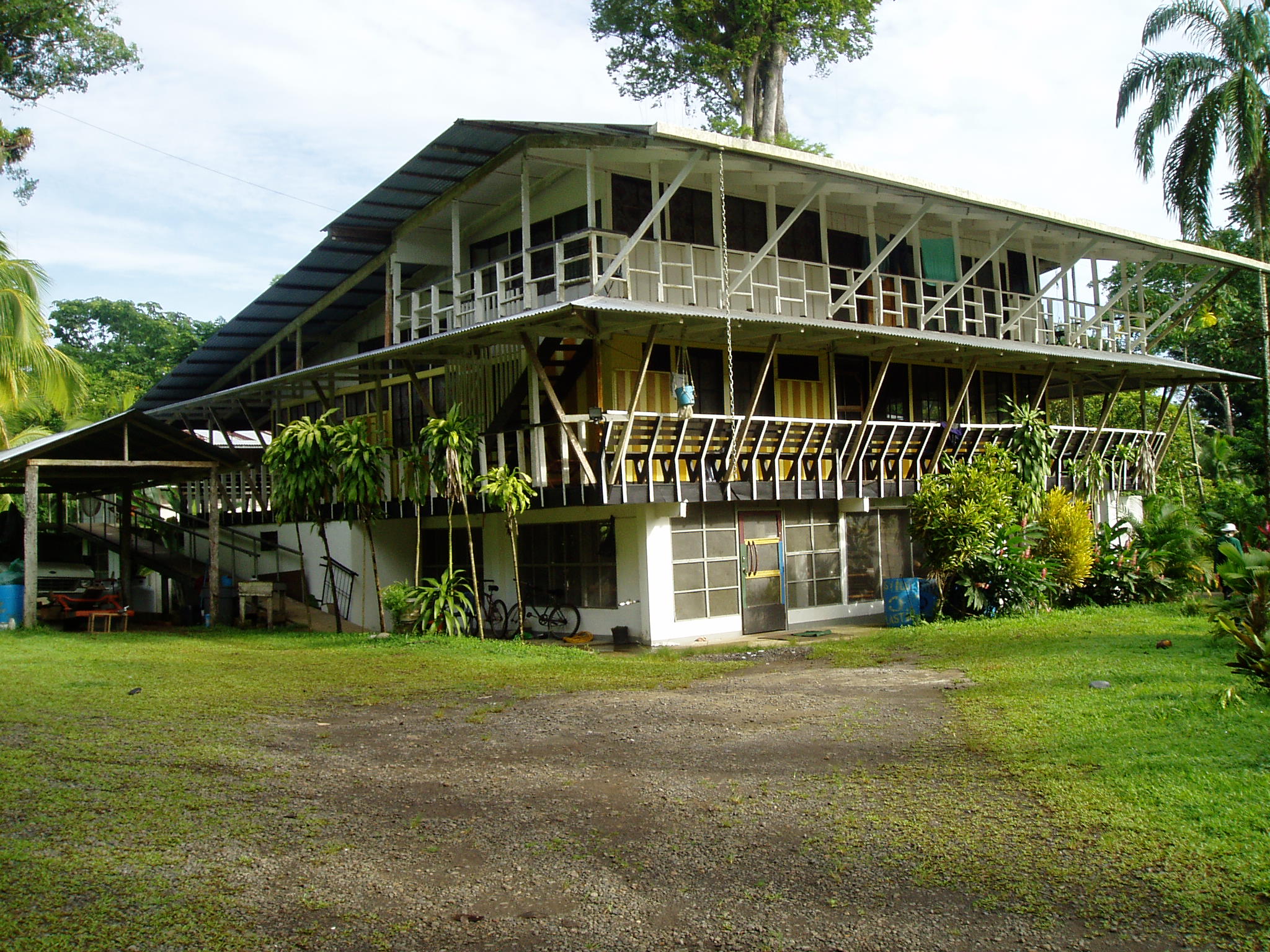
to La Suerte Biological Field Station, Costa Rica to study tropical rainforest ecology

EARTHQUEST (Canada) now has an opportunity to journey to Costa Rica, primarily to the La Suerte Biological Field Station from 22 July to 16 August, 2011. It will be an interdisciplinary course as all ethnobotany courses have to be. However, this one will present historical perspectives and provide background in a number of disciplines of the natural and social sciences including Geography, Geology, Biology, Ecology, Botany, Anthropology and Ethnobotany. Students will be offered a holistic overview of the physical, biological and cultural context of our field station on Ometepe, the volcanic island on which it is located, and the traditional and modern use of plants in the Neotropics. The ethnobotany of the Neotropics will be compared with that of the tropical islands of the Indo-Pacific Region to give students a broad understanding of the science of ethnobotany in relationship to tropical ecosystems on continents as opposed to remote islands. A special study of contemporary use of plants on Ometepe is planned as a group exercise in ethnobotany in a Neotropical setting. Overall, this course can be seen as an introduction to Natural History in the tropics with a special emphasis on human relationships with plants -- past, present and future.

Description:

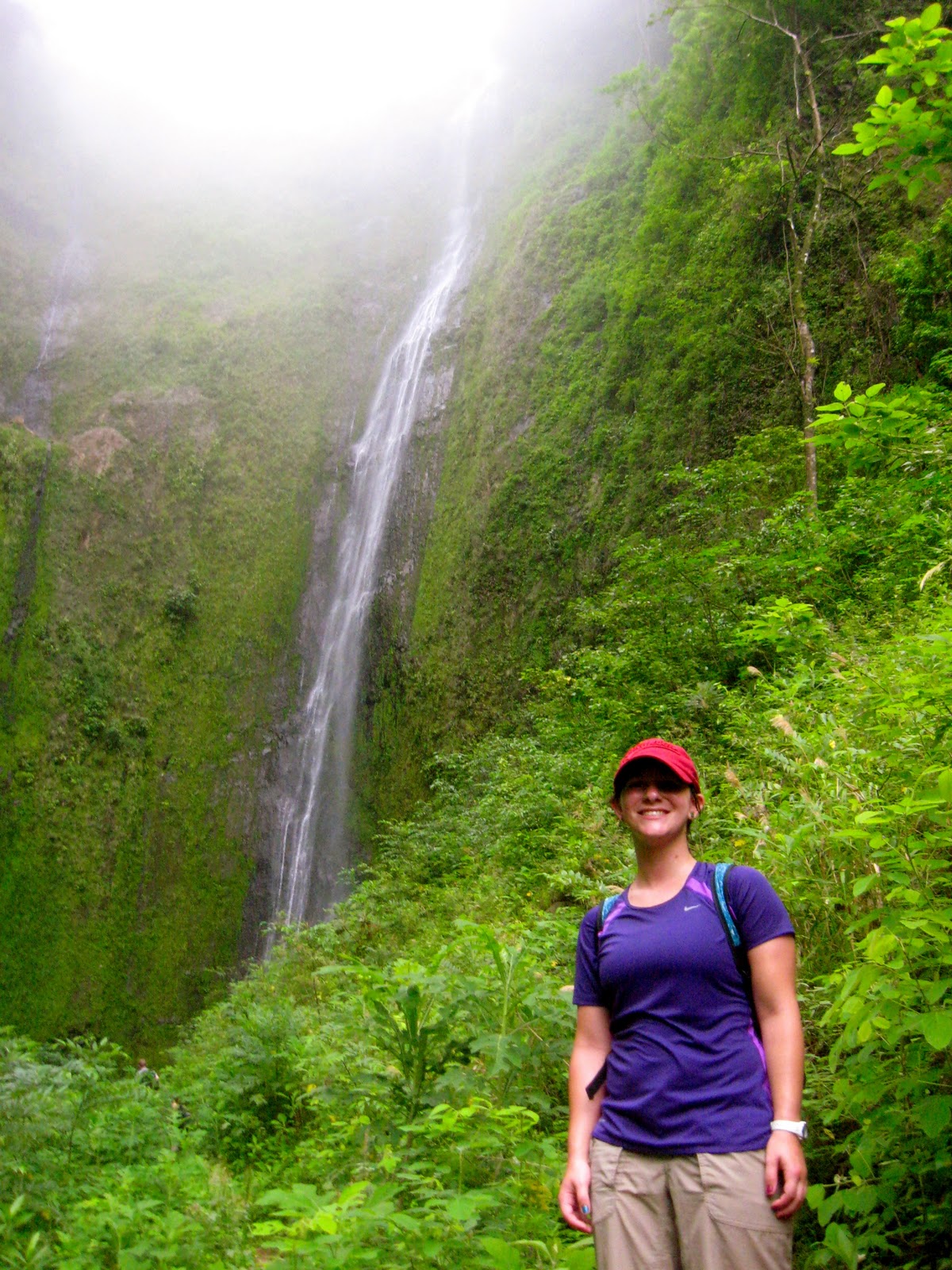
The course is a hands-on field experience to familiarize students with the diversity of life in the rainforest while developing a deeper understanding of tropical forest ecology and conservation. With a combination of lectures and fieldwork, time is spent on studying the diverse fauna in a tropical forest through various ecological sampling methods. Through on-site research projects students will build a foundation of skills and knowledge that are applicable to more specialized coursework or field research in primates, botany, herpetology, entomology, etc. We will focus on ecological research, behavior, and quantitative natural history of the more commonly encountered organisms. During the first week of your stay, we will do quite a bit of hiking with some informal lectures/discussions about the area in which we will be studying and working. We will also have some reading assignments of classic published literature on Tropical Forest Ecology. Articles from EO Wilson, Bates, and Dobzhansky just to name a few. We will also have some classroom time on basic biogeography, plate tectonics, ecological succession, and other ecological topics important to studying in a lowland wet forest of Costa Rica. Some of this will also be geared at learning to recognize some of the local fauna and flora. In the second week, we will begin coursework on ecological sampling and statistics, especially as it relates to projects evaluating various measures of population and community ecology. It is my intent to let student interests determine which sampling methods are covered. Essentially, this course will be a field ecology and natural history course focused on and in the middle of a tropical rainforest. By the end of the second week students will be expected to have decided upon a project. The project may be individual or in small groups of no more than three. The last two weeks of the course will be focused on original field projects developed and conducted by the students. Please note that you may be expected to assist each other in completing the project. These projects will culminate in an on-site presentation to your classmates. As we approach the start of the class, I will contact students who have enrolled in this course, as well as any interested students, about preparing for the coursework.

Assessment/ Grading:

Your final grade/mark will be based on the following, and determined out of a total of 100 points:
•field and Lab exercises (25 points) – 25%
•a written report of your project (50 points) – 50%
•an oral presentation of the project (25 points) – 25%

Coursework marking can be adjusted to accommodate non-US grading/marking systems. If you wish to get college/university credit for this course, please contact me as we will need to make arrangements with your home institution.

The following book has been chosen to help develop supplementary understanding of tropical forest environments and ecological sampling methods. The book may be accessible through your university bookshop, but also on the internet at www.amazon.com.
Chazdon, R.L., and T.C. Whitmore (Eds.). 2001. Foundations of Tropical Forest Biology: Classic Papers with Commentaries.
Although not required, we would recommend that each student bring field guides for any flora and fauna in which they may be interested. Please contact me for recommendations

You can live the life of a Rainforest ecologist
and study rainforests


Dates: Summer session #3: July 20 - August 14, 2011
Cost: $2874.00 USD

(Please note: Due to the nature of the program, all prices and program contents are subject to change without prior notice or approval).

Included in 26 day Course Costs:
..........Services of project staff
..........Certificate of completion
..........room and board (3 meals per day) at La Suerte biological field station
..........instruction
..........SCHEDULED transportation from near the airport in San Jose to La Suerte round trip
..........Course tuition
..........FBSST Course tuition

Not Included in 26 day Course Costs:
..........Airport taxes and government departure taxes
..........Health or cancellation insurance
..........Beverages/liquor
..........Additional funds for souvenirs, extra food, etc.
..........Valid passport
..........Immunizations/vaccinations
..........Personal supplies (e.g. hiking boots, tents, clothing, etc.)
..........Round trip airfare to Costa Rica
..........Academic credit

To Register for the Course: For 26 day course a non-refundable deposit of $699.00 US/person + $80.00 USD registration fee is required to secure space. Full payment is due 60 days prior to departure (postmarked by mail does not count). We recommend that you book early as spaces on teams fill quickly and are limited to 22 participants. Spaces are filled on a first-come, first-serve basis and fill quickly so we recommend that you apply ASAP. All tuition costs are NON-REFUNDABLE, but may be transferred to another year. Academic credit is available - please inquire for details. For information on terms and conditions please click here. For applications please click here.

Ecotours and expeditions, Learn how to be a field biologist, Biology, research and conservation, Field training and employment opportunities

 E-mail: earthquestcanada@yahoo.com

Senior Biologist & Instructor
D. Jolly, B.Sc.
EARTHQUEST (Canada) for the Environment

©copyright EARTHQUEST (Canada) for the Environment

Website designed and maintained by D. Jolly
Last Updated 01/01/2011